
What is a Biosphere Reserve?
A place designated by UNESCO to test ways of living well with nature.
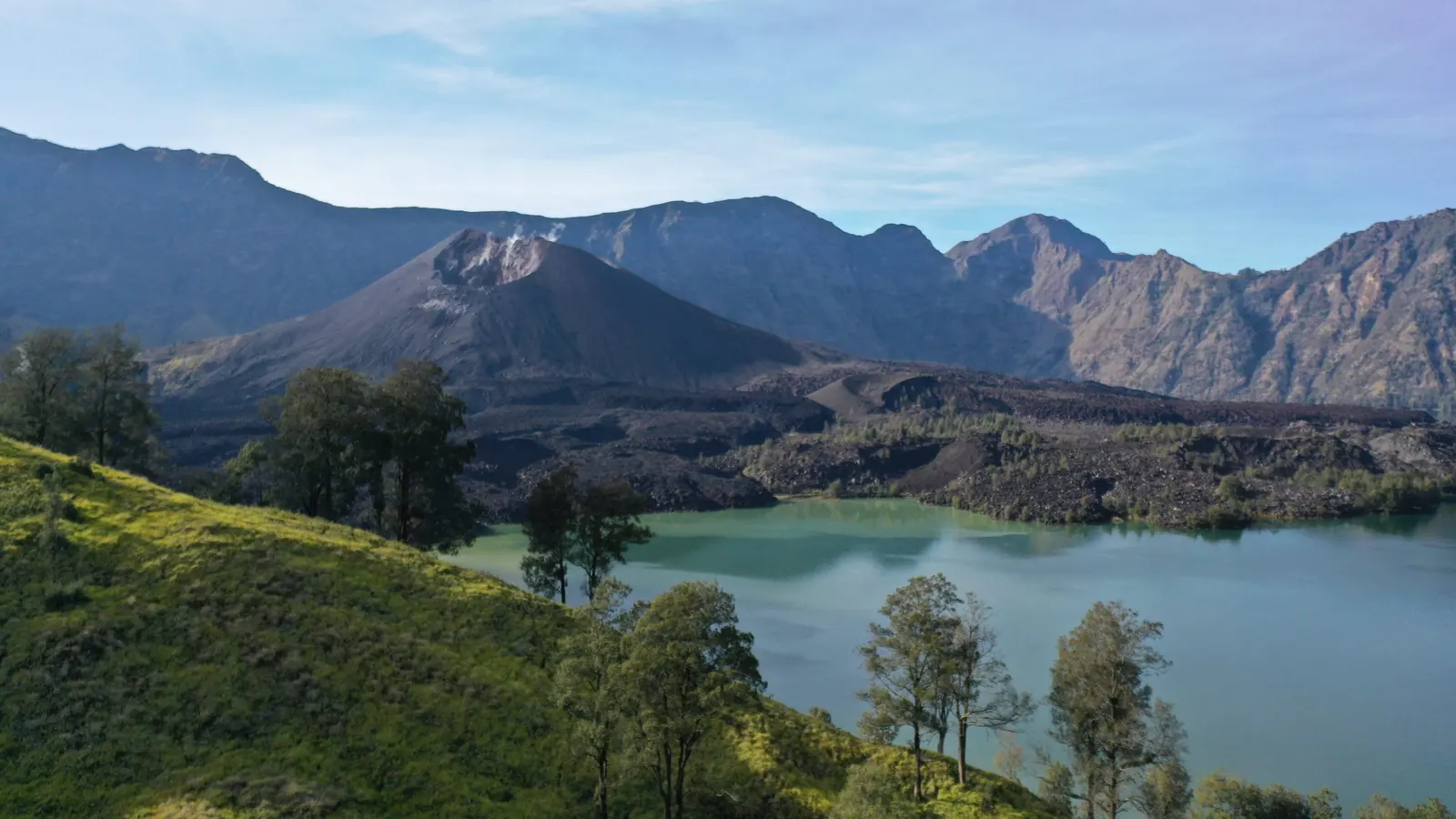
Biosphere Reserves are designated under UNESCO's Man and the Biosphere (MAB) Programme, which began in 1971. Each one is a "learning place for sustainable development": an area of land, coast or sea where conservation, economic development and research are brought together and tested in practice.
Unlike a national park, a Biosphere Reserve includes towns, farms and fishing villages. Designation does not change who owns land or what national laws apply; it is a commitment by the government and communities to manage the area in a balanced way, and to share what they learn with the rest of the world.
Three functions
Conservation
Of landscapes, ecosystems, species and genetic variation.
Development
Economic and human development that is socially, culturally and environmentally sustainable.
Logistic support
Research, monitoring, education and training that feed local, national and global learning.
Reviewed every ten years
Every Biosphere Reserve submits a periodic review to UNESCO every ten years, describing how it has carried out its three functions and how the zones are working. Rinjani-Lombok's first periodic review falls due in 2028. [VERIFY: date of first periodic review]